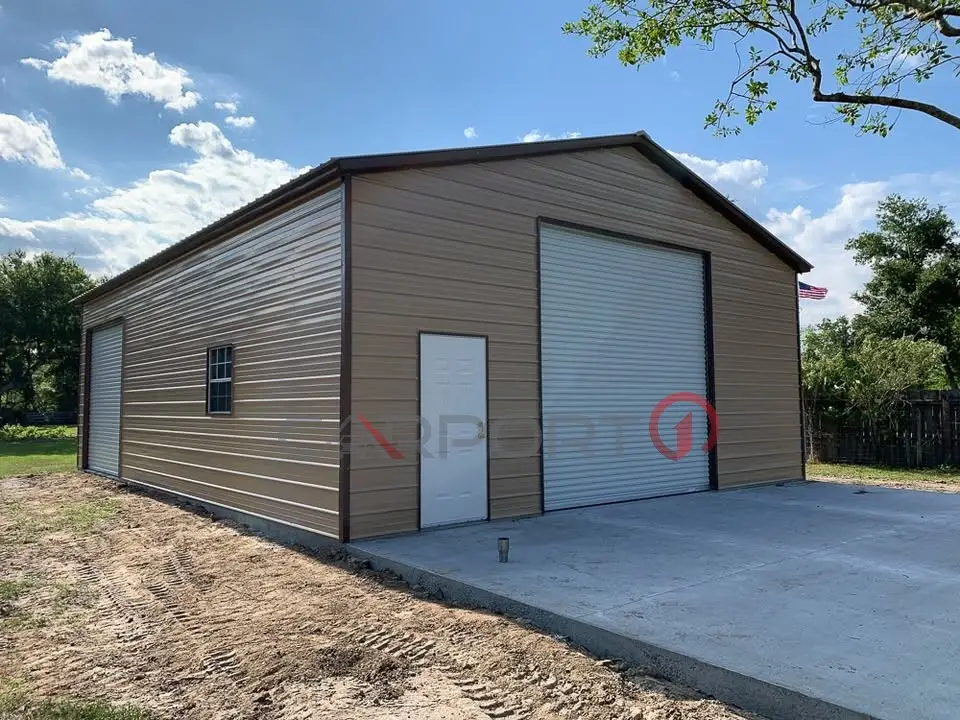
Metal Buildings in West Virginia: Mountain-Tough Structures for the Mountain State
West Virginia is not a state that goes easy on buildings. The Appalachian terrain, the heavy mountain snowfall, the spring floods, the summer humidity, and the ice storms that coat everything in glass every few winters all conspire to test any structure you put up. That is precisely why metal buildings in West Virginia have overtaken traditional construction as the preferred choice for residents and business owners who are tired of repairing, replacing, and worrying about weather damage.
The Mountain State averages 33 inches of snow per year statewide, but that number conceals an enormous range. River valleys in the southwestern lowlands may see just 20 inches, while elevations above 2,500 feet in the northern and central mountains receive over 125 inches annually. Some of the highest snowfall totals east of the Mississippi River occur right here in West Virginia. Add in persistent wind from the prevailing westerlies, occasional remnants of Atlantic hurricanes, and heavy rain events that trigger flooding, and you begin to understand why building material choice matters so much in this state.
How West Virginia’s Climate Shapes Building Decisions
Mountain Snowfall and Roof Loads
The Appalachian Mountains are the defining feature of both the state’s geography and its weather. Elevation drives everything here. The difference between a property at 800 feet along the Kanawha River and one at 4,000 feet in Pocahontas County is not just a matter of temperature. It is the difference between a modest 20 psf snow load and one that exceeds 60 psf or more.
Over the course of a West Virginia winter, snow often compacts, partially melts, and refreezes into dense, heavy layers that dramatically increase the load on any roof. Metal buildings engineered with appropriate snow load ratings and steep roof pitches to encourage shedding are essential in the mountain counties. A standard low-slope carport that works perfectly in Charleston would be a liability in Davis or Snowshoe.
Wind Exposure on Ridges and in Valleys
West Virginia lies in the zone of prevailing westerly winds, with most weather systems arriving from the northwest, west, or southwest. Ridge-top properties and those in narrow valleys that funnel wind can experience sustained speeds well above what flat-terrain wind maps would suggest. Metal buildings with properly rated wind bracing and secure anchor systems handle these conditions far better than wood-framed structures, which rely on nail connections that can work loose over repeated wind loading cycles.
Humidity, Moisture, and the Rot Factor
West Virginia is the third most heavily forested state in the country, and all that tree cover exists because the climate is warm and wet enough to support it. That same moisture creates a hostile environment for wood construction. Mold, rot, and insect damage are ongoing maintenance concerns for conventional buildings, particularly in the southern river valleys where summer humidity is at its worst. Steel framing and metal panels eliminate these problems entirely.
What West Virginians Build With Steel
West Virginia’s economy has been diversifying from its traditional base in coal, timber, and chemicals, but the industries that drive demand for steel buildings in West Virginia remain deeply tied to the land.
Agricultural and Poultry Operations
Poultry is by far the largest contributor to West Virginia’s agricultural economy, bringing in nearly $300 million annually. Agricultural commodities overall account for $800 million per year. Metal barns and poultry houses provide the controlled environments that modern operations require, with easy-to-clean interiors and the structural spans needed for equipment access.
Timber and Forestry Operations
Forestry-based industries employ 15,600 West Virginians through major companies like Georgia Pacific, Weyerhaeuser, and American Woodmark. Metal buildings serve as lumber storage, equipment maintenance facilities, and processing shelters throughout the state’s timber regions.
Residential Garages, Workshops, and Storage
Many West Virginia properties are located on hillsides, hollow roads, and winding rural routes where building a conventional garage requires extensive site preparation. Metal buildings with their flexible footprints and ability to be installed on graded pads rather than full foundations offer a practical solution for homeowners across the state. Metal garages in West Virginia are particularly popular for protecting vehicles from tree debris, ice storms, and heavy snowfall.
Tourism and Recreation Facilities
Tourism has become one of the fastest-growing sectors of West Virginia’s economy. The state’s whitewater rafting industry, ski resorts, hiking trails, and outdoor recreation areas create demand for equipment storage buildings, maintenance shops, and covered pavilions.
Recommended Specifications for West Virginia Metal Buildings
Snow Load Engineering
Snow loads in West Virginia must be determined based on your specific location and elevation:
- River valleys and lowlands (under 1,500 feet): 20 to 30 psf
- Mid-elevation areas (1,500 to 3,000 feet): 30 to 50 psf
- High mountain areas (above 3,000 feet): 50 to 80+ psf
Always provide your exact address and elevation when ordering to ensure your building is engineered correctly. Roof pitch also matters: steeper pitches allow snow to shed more effectively, reducing the sustained load on the structure.
Wind Load Ratings
Standard design wind speeds for most of West Virginia range from 110 to 120 mph. Ridge-top and exposed locations may require higher ratings. The state follows the International Building Code, which mandates that all structures be designed to safely support wind loads based on local conditions.
Foundation Considerations
West Virginia’s mountainous terrain means many building sites have slopes, rock outcroppings, or shallow bedrock. Concrete slab foundations may require leveling fill on sloped sites, and pier foundations can be an effective alternative for properties where excavation is difficult. Our team can advise on the best foundation approach for your terrain.
Regional Guide to Metal Buildings in West Virginia
The Eastern Panhandle and Potomac Highlands
Berkeley, Jefferson, and Morgan counties in the Eastern Panhandle are the fastest-growing area of the state, driven by commuters to the Washington, DC metro area. Building codes here are well-established, with Berkeley County following the IBC and IRC with full plan review and inspection processes. Metal garages and workshops are in high demand as residential properties in this region tend to sit on larger lots than their Northern Virginia counterparts, giving homeowners room to add structures.
The Kanawha Valley and Southern Coalfields
Charleston, Huntington, and the surrounding coal country of southern West Virginia have the mildest winters in the state but deal with challenging terrain, flood-prone river bottoms, and the economic diversification pressures of a region transitioning away from coal dependence. Metal buildings for small business use, equipment storage, and residential applications are popular throughout this corridor.
The Mountain Counties
Randolph, Pocahontas, Tucker, and the surrounding high-elevation counties demand the most robust building specifications in the state. Heavy snow loads, exposure to wind, and difficult access roads all factor into building decisions here. These areas are also where tourism infrastructure is growing fastest, with ski resort support facilities, recreational equipment storage, and vacation property outbuildings driving metal building demand.
Building Permits in West Virginia
West Virginia has adopted the 2015 International Building Code and International Residential Code with state amendments, enforced through the State Fire Marshal’s office. Permit requirements vary by jurisdiction:
- Building permits are required for carports, garages, sheds, and storage buildings in most incorporated areas.
- Structures with structural steel components may require engineering plans sealed by a West Virginia-registered professional engineer.
- Structures over 7,600 square feet require construction drawings bearing the seal of a licensed design professional.
- The Contractor Licensing Board requires a license for most construction projects exceeding $5,000.
- In unincorporated areas without local building departments, state code enforcement through the Fire Marshal’s office may apply.
Some rural counties in West Virginia have minimal permitting infrastructure. It is still wise to check with your county office before building to avoid potential issues with insurance or future property transactions.
Why Carport1 Is the Right Choice for West Virginia
Building in the mountains is not the same as building on flat ground, and at Carport1, we understand that difference. We deliver metal carports, garages, barns, workshops, RV covers, and commercial steel buildings throughout West Virginia, including the remote mountain communities where access can be a challenge.
Every building we deliver comes with free delivery and professional installation. Our crews are experienced with the slopes, narrow roads, and variable site conditions that are simply part of life in the Mountain State. We engineer each structure to meet the snow loads, wind ratings, and terrain conditions specific to your property.
Call 1-877-242-0393 today, or request a free quote online. We will help you choose the right building for your mountain property.
Frequently Asked Questions About Metal Buildings in West Virginia
Can a metal building handle West Virginia’s heavy mountain snow?
Absolutely. Metal buildings can be engineered for snow loads exceeding 80 psf, which covers even the heaviest snow zones in the state. The key is specifying the correct rating for your elevation and location. A steep roof pitch also helps snow shed rather than accumulate, reducing sustained loads on the structure.
Do I need a building permit in rural West Virginia?
It depends on your location. Incorporated cities and towns with building departments require permits for carports, garages, and other structures. Some rural unincorporated areas have minimal permitting requirements, but the State Fire Marshal’s office may still have jurisdiction. Always check with your county office before proceeding.
How do metal buildings perform in West Virginia’s ice storms?
Metal buildings handle ice loading well because the steel framing distributes weight evenly across the structure. The smooth metal panels also shed ice more readily than textured surfaces like asphalt shingles. A properly engineered metal building will withstand the ice accumulation that collapses wood carports and older structures.
What foundation works best on a West Virginia hillside?
On sloped sites, a graded pad with a concrete slab is the most common approach, though it requires earthwork to create a level surface. Pier foundations can be an effective alternative on steep slopes or rocky ground. Our team can discuss foundation options based on your specific site conditions.
Is a metal building a good investment in West Virginia’s housing market?
Yes. Metal buildings add functional value to any property, whether used as a garage, workshop, agricultural building, or storage structure. In West Virginia’s growing tourism economy, properties with covered storage and well-maintained outbuildings are more attractive to buyers and command higher prices.