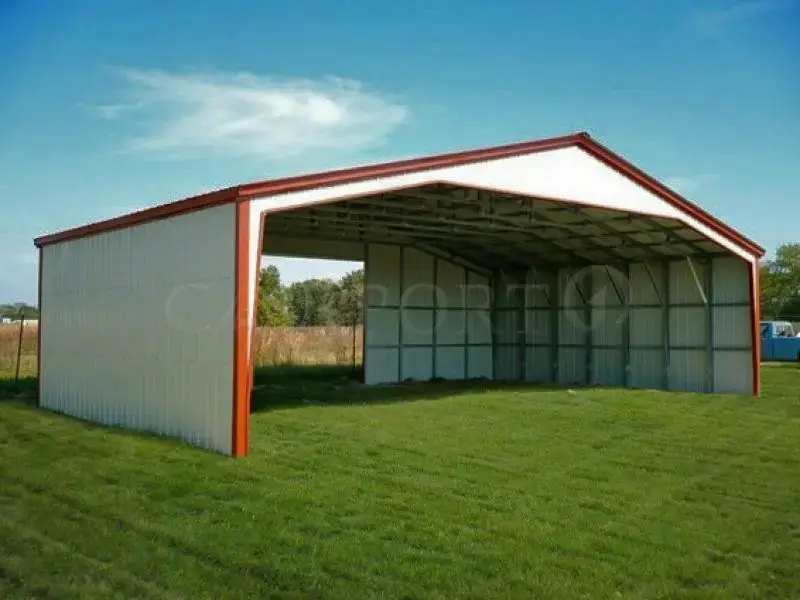
Metal Buildings in Wisconsin: Engineered for America’s Dairyland and Its Legendary Winters
Ask anyone from Wisconsin what defines their state, and you will get two answers: cheese and winter. Both are deeply intertwined with why metal buildings in Wisconsin have become such a critical part of the state’s infrastructure. The dairy farms that produce more cheese than any other state in the nation need covered storage and livestock facilities that can handle punishing cold. The manufacturing operations that make Wisconsin an industrial powerhouse need durable, cost-effective buildings that withstand decades of freeze-thaw cycles. And the homeowners who endure winters that can stretch from November to April need garages and workshops that will not buckle under the weight of a season’s worth of snow.
Wisconsin averages 48 inches of snow per year, nearly double the national average of 28 inches, and that is just the statewide number. Along the Gogebic Range near Lake Superior, annual snowfall can exceed 100 inches, amplified by lake-effect storms that dump heavy, wet snow in concentrated bursts. When you combine that with winter temperatures that regularly drop below zero across the northern half of the state, you need buildings made from materials that do not warp, rot, split, or deteriorate under the assault of a Wisconsin winter.
Wisconsin’s Climate: A Building Material Stress Test
Snow Loads That Demand Serious Engineering
Wisconsin’s Uniform Dwelling Code divides the state into multiple snow load zones, with minimum design requirements ranging from 30 psf in the southern counties to 60 psf or higher in the north. These are not theoretical numbers. Over the course of a Wisconsin winter, snow compacts, partially melts, refreezes, and compresses into layers that are far heavier per inch than fresh powder. A roof that seems fine after a December snowfall can be carrying a dangerously heavy load by February if accumulation is not managed.
Metal buildings engineered with appropriate snow load ratings and proper roof pitch handle this reality far better than conventional construction. The smooth metal surface encourages snow shedding, and the continuous steel framing distributes weight evenly across the structure rather than concentrating it at individual rafters and joists.
Extreme Cold and Freeze-Thaw Cycles
Milwaukee’s January temperatures average between 12 and 26 degrees Fahrenheit, and northern Wisconsin regularly sees stretches of minus 20 to minus 30 degrees. These temperatures alone are punishing, but the real damage comes from the freeze-thaw cycle: water seeps into cracks in wood and concrete, freezes, expands, and gradually destroys the material from the inside out. Metal buildings are largely immune to this process. Steel framing does not absorb water, and properly coated metal panels resist the moisture intrusion that devastates conventional buildings over time.
Summer Storms and Severe Weather
Wisconsin’s summers bring their own challenges. The state is subject to severe thunderstorms, occasional tornadoes, and straight-line wind events that can exceed 80 mph. In 2019, intense straight-line winds flattened large swaths of forest in northern Wisconsin. Metal buildings with certified wind ratings provide reliable resistance to these events, protecting property and equipment year-round.
How Wisconsin Uses Metal Buildings
Wisconsin’s economy is anchored by three pillars: manufacturing, agriculture, and tourism. All three drive massive demand for steel buildings across the state.
Dairy and Agricultural Operations
Wisconsin is home to over 5,000 dairy farms and nearly 1.3 million cows. The dairy sector alone contributes $52.8 billion to the state economy and supports 120,700 jobs. About 90 percent of the milk produced by Wisconsin dairy farmers is used to make cheese. Beyond dairy, the state ranks first nationally in snap beans, cranberries, ginseng, and corn for silage.
This agricultural powerhouse relies heavily on metal buildings for hay storage, equipment shelters, milking parlor annexes, and commodity storage. A well-built metal barn in Wisconsin protects feed from moisture and vermin while providing the clear-span interiors that modern farming equipment requires.
Manufacturing and Industrial Facilities
Manufacturing contributes 18.79 percent of Wisconsin’s total economic output, making it one of the most manufacturing-intensive states in the country. From paper mills in the Fox Valley to machine shops in Milwaukee to food processing plants across the state, metal buildings provide cost-effective, rapid-construction solutions for industrial operations that need durable covered space without the cost and timeline of conventional commercial construction.
Residential Garages and Storage
In a state where road salt, ice, and sub-zero temperatures wreak havoc on vehicles, covered parking is not a nicety but a necessity. Metal garages in Wisconsin protect cars, trucks, and SUVs from the corrosive effects of salt-laden snow and ice while providing workspace for the vehicle maintenance that harsh winters demand. Detached metal garages are particularly popular in rural areas where property sizes allow for dedicated outbuildings.
Recreational Equipment Storage
Wisconsin’s recreational culture centers on snowmobiling, ice fishing, hunting, boating, and camping. All of that gear needs covered storage during the off-season. Carports in Wisconsin and enclosed metal buildings provide dry, secure protection for boats, snowmobiles, ATVs, and RVs that would otherwise suffer from exposure to the elements.
Building Specifications for Wisconsin’s Conditions
Snow Load Requirements
Each zip code in Wisconsin has a designated snow load requirement based on historical snowfall data. General guidelines include:
- Southern Wisconsin (Madison, Milwaukee, Janesville): 30 to 40 psf
- Central Wisconsin (Wausau, Stevens Point, Marshfield): 40 to 50 psf
- Northern Wisconsin (Superior, Ashland, Eagle River): 50 to 60+ psf
Provide your exact address when ordering to ensure your building meets or exceeds the local requirement. Over-specifying snow load is always a safer bet than cutting it close in a state where a single heavy lake-effect event can dump 18 inches overnight.
Wind Load and Storm Resistance
Standard design wind speeds across Wisconsin range from 110 to 120 mph. Lakefront properties along Lake Michigan and Lake Superior may need higher ratings due to increased wind exposure. All metal buildings should include certified anchor systems to resist uplift during severe thunderstorm events.
Insulation and Energy Efficiency
If you plan to use your metal building as a heated workspace, an insulated garage, or any climate-controlled application in Wisconsin, proper insulation is not optional. Spray foam, rigid board, or blanket insulation combined with a vapor barrier will prevent condensation, reduce heating costs, and make the space usable even in the depths of January. Wisconsin falls in IECC Climate Zones 6 and 7, which have some of the most stringent insulation requirements in the country.
Regional Guide to Metal Buildings in Wisconsin
Southeast Wisconsin and the Milwaukee Metro
Milwaukee, Racine, Kenosha, and Waukesha counties represent the state’s most densely populated area. Zoning and permitting requirements are well-established, and setback restrictions on smaller lots can limit building placement. Metal garages, workshops, and small commercial buildings are the most common applications in this region. Snow loads are on the lower end for the state, typically 30 to 35 psf.
The Fox Valley and Central Wisconsin
Appleton, Green Bay, Oshkosh, and the Fox River corridor are at the heart of Wisconsin’s paper and manufacturing industries. Metal buildings for industrial and commercial use are in high demand here, along with agricultural buildings for the dairy operations that surround these urban centers. Snow loads increase to the 35 to 45 psf range.
Northern Wisconsin and the Northwoods
The sparsely populated Northwoods, from Wausau northward to Superior and Ashland, experiences the harshest conditions in the state. Heavy snowfall, extreme cold, and lake-effect events from Lake Superior define the building requirements. Snow loads of 50 to 60+ psf are standard, and buildings must be designed to endure months of sustained cold. Agricultural buildings, recreational storage, and residential garages dominate the market here.
Permitting for Metal Buildings in Wisconsin
Wisconsin’s building permit requirements are governed by the Uniform Dwelling Code (UDC) for residential structures and the Commercial Building Code for non-residential buildings. Key points include:
- Most municipalities require building permits for carports, garages, and detached accessory structures.
- Agricultural structures are exempt from certain building code requirements under Wisconsin law, though local zoning requirements may still apply.
- Residential structures must meet the snow load requirements specified in SPS 321 based on the zone map for your location.
- All building components must be fastened to withstand dead load, live load, snow load, and wind load per code requirements.
- Permit fees and processing times vary by municipality, with larger cities typically having more involved review processes.
Contact your local building inspection department before ordering to confirm requirements for your property.
Why Wisconsin Customers Trust Carport1
We have been delivering metal carports, garages, barns, workshops, RV covers, and commercial steel buildings to Wisconsin customers for years, and we understand that winter readiness is not negotiable in this state. Every building we sell is engineered to meet the specific snow load and wind requirements of your location, not just a generic statewide number.
Our free delivery and professional installation service means your building is set up correctly by experienced crews who understand the importance of proper anchoring in a state where snow loads and wind events test every connection point. We handle the logistics so you can focus on what the building is for rather than how to put it together.
Call 1-877-242-0393 to talk with a building specialist, or get your free quote online.
Frequently Asked Questions About Metal Buildings in Wisconsin
What snow load rating do I need for a metal building in Wisconsin?
Snow load ratings in Wisconsin typically range from 30 psf in the southern part of the state to 60 psf or more in the northern counties. Each zip code has a specific requirement under the Uniform Dwelling Code. Provide your exact address when ordering to ensure your building meets or exceeds the local standard.
Are agricultural buildings exempt from building codes in Wisconsin?
Agricultural structures are exempt from certain building code requirements under Wisconsin law. However, local zoning regulations may still apply, including setback requirements, height restrictions, and lot coverage limits. If the building will include habitable space or non-agricultural uses, it must comply with the full building code.
Can a metal building handle Wisconsin’s extreme cold?
Yes. Steel maintains its structural integrity at temperatures well below anything Wisconsin experiences. For heated applications, proper insulation and vapor barrier installation are essential to maintain energy efficiency and prevent condensation. Wisconsin’s Climate Zones 6 and 7 require high insulation values for conditioned spaces.
How do metal buildings compare to pole barns in Wisconsin?
Metal buildings and pole barns both serve agricultural and storage purposes in Wisconsin, but they differ in important ways. Metal buildings offer stronger wind and snow load resistance, longer lifespan, less maintenance, and better resistance to moisture and pests. Pole barns may have a lower initial cost but typically require more maintenance over time, especially for the wood posts that are susceptible to ground-level rot.
Will road salt damage a metal building?
Metal buildings with Galvalume or galvanized coatings are highly resistant to salt-induced corrosion. However, if your building is directly adjacent to a salted road or driveway, periodic rinsing of the lower panels with fresh water in the spring helps remove salt residue and extends the life of the finish. Keeping the base rails clear of debris and standing water also helps prevent localized corrosion.